admin

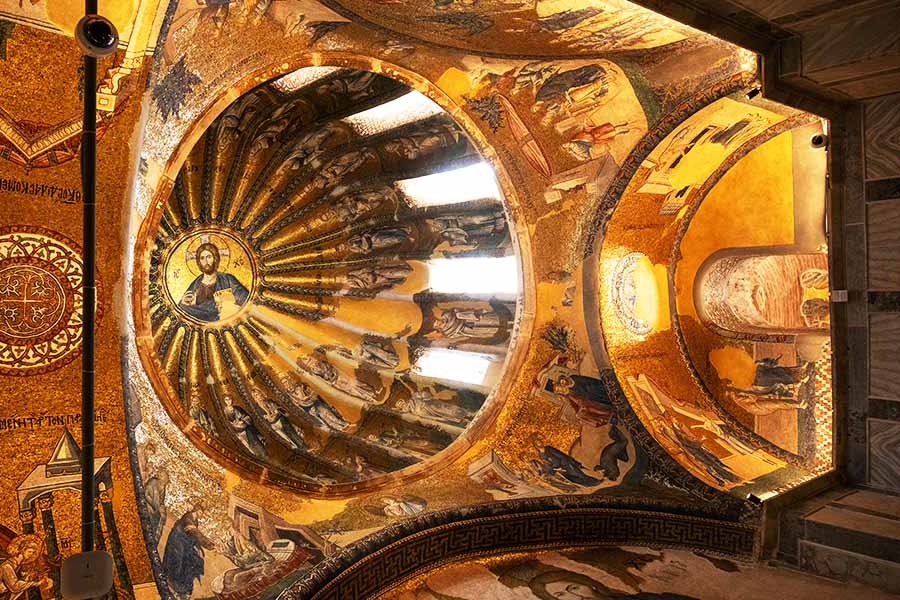
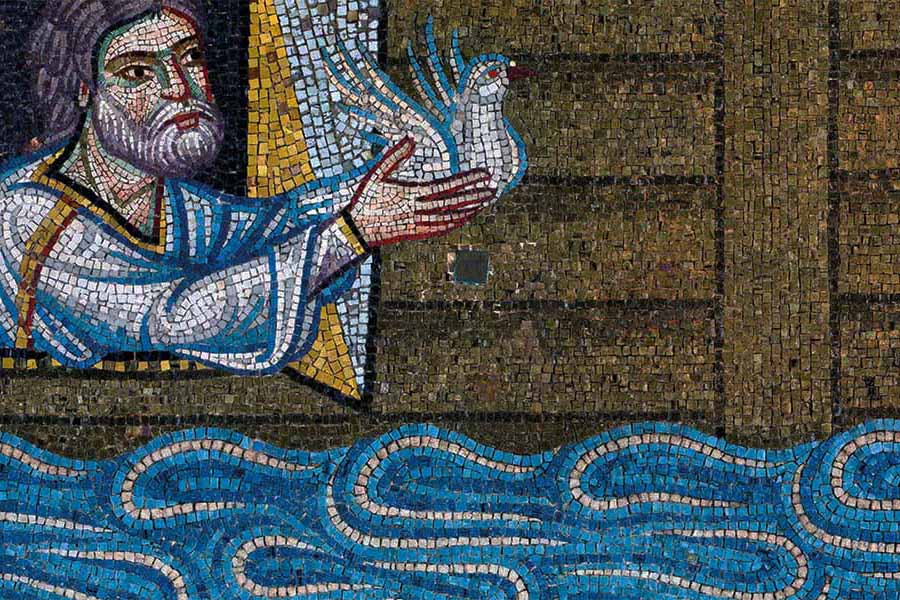
Gold That Does Not Glitter: The Meaning of Glory in the Twilight of Mosaics

There is a strange form of blindness that strikes us when we cross the threshold of an ancient basilica. We enter seeking splendor, accustomed as we are to the violent light of our screens—that artificial glare that exposes everything and explains nothing. We look for gold to see it shimmer, to photograph its reflection, to count the carats of a wealth we believe belongs to matter.

Gold That Does Not Glitter: The Meaning of Glory in the Twilight of Mosaics Read More »

Venice and the Water: A Lesson in Constant Precariousness

In Venice, there is a secret pact between what remains and what flows. Standing on the parvis of St. Mark’s Basilica, you are not simply before a monument, but atop a stone raft suspended upon the breath of the lagoon. Here, the solidity we usually attribute to architecture—that idea of firm, secure ground supporting human footsteps—wavers. And within this wavering, a different kind of wisdom is born.

Venice and the Water: A Lesson in Constant Precariousness Read More »

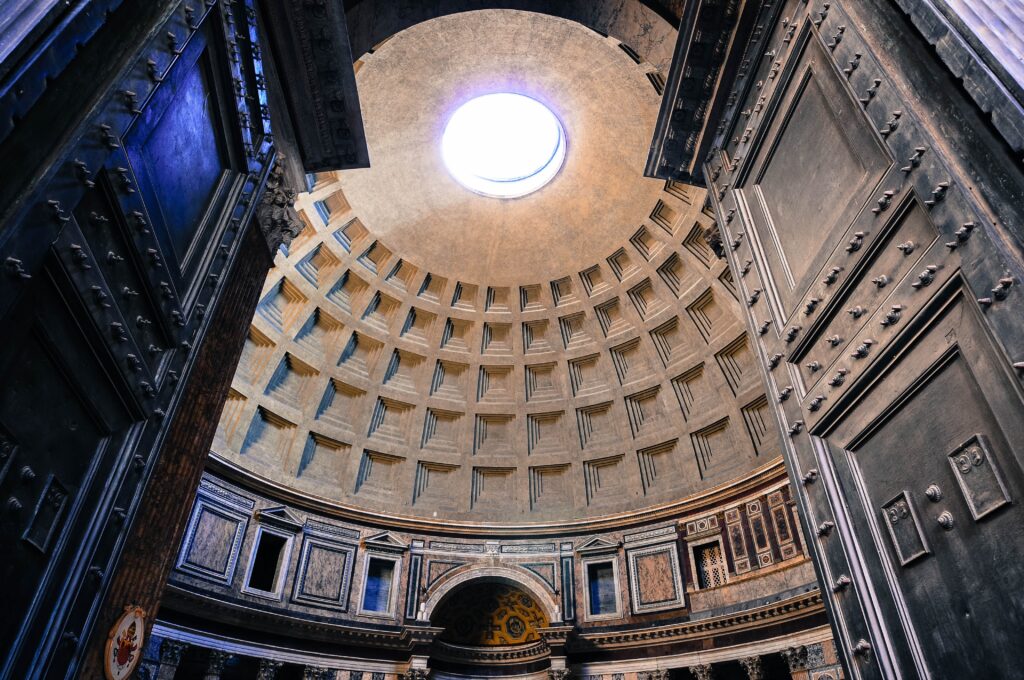
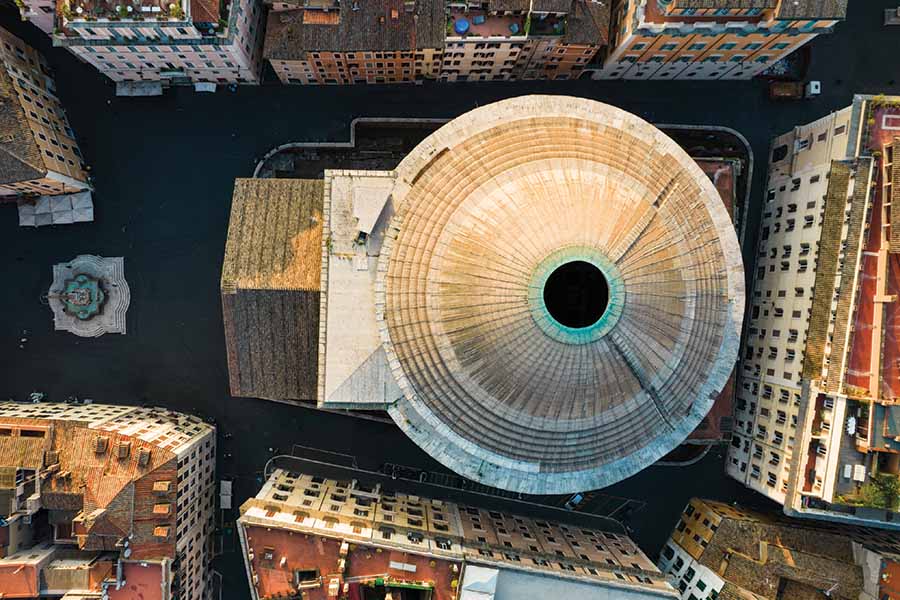
Rome and the Perfect Circle: Inhabiting the Sky Inside the Pantheon

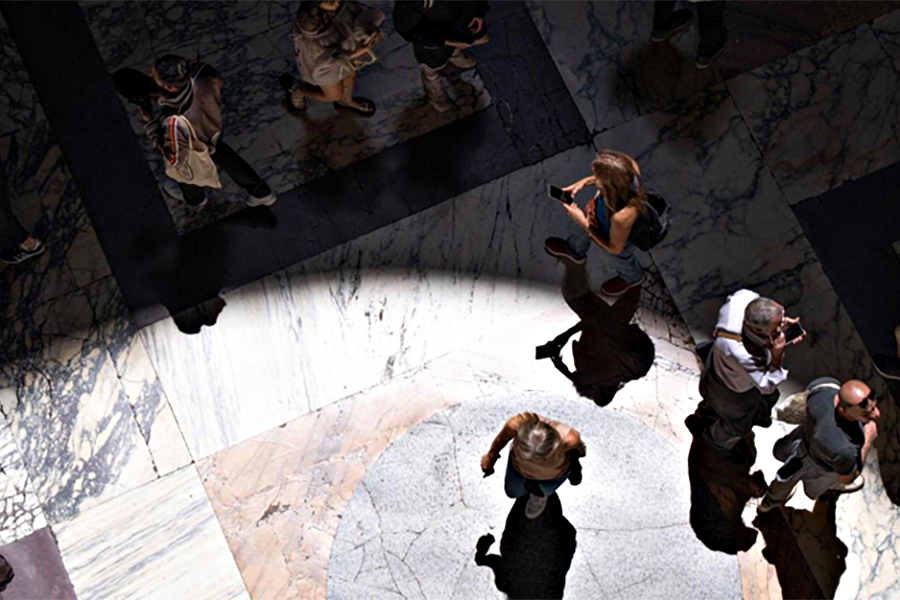
There are places that are not content with merely hosting our footsteps, but instead demand to re-educate our gaze. Among these, the Pantheon is the most stern and yet the gentlest. When you cross the threshold of this stone giant, the first sensation is not one of oppression—despite the immense mass of the walls—but of a strange, sudden lightness. This is the effect of a geometry that has ceased to be calculation and has instead become prayer.

Rome and the Perfect Circle: Inhabiting the Sky Inside the Pantheon Read More »

Guardians of Beauty: The Privilege and Responsibility of Seeing

There is a subtle, yet profound difference between merely passing through a space and truly inhabiting it with one’s gaze. Often, we move through the aisles of a cathedral or the corridors of a museum as if standing before an endless screen, collecting fragments of images, digital snapshots, and panoramas ready to be consumed. But beauty—true beauty—does not allow itself to be consumed. On the contrary, it questions us.

Guardians of Beauty: The Privilege and Responsibility of Seeing Read More »

Digital Pilgrims: Technology at the Service of Wonder

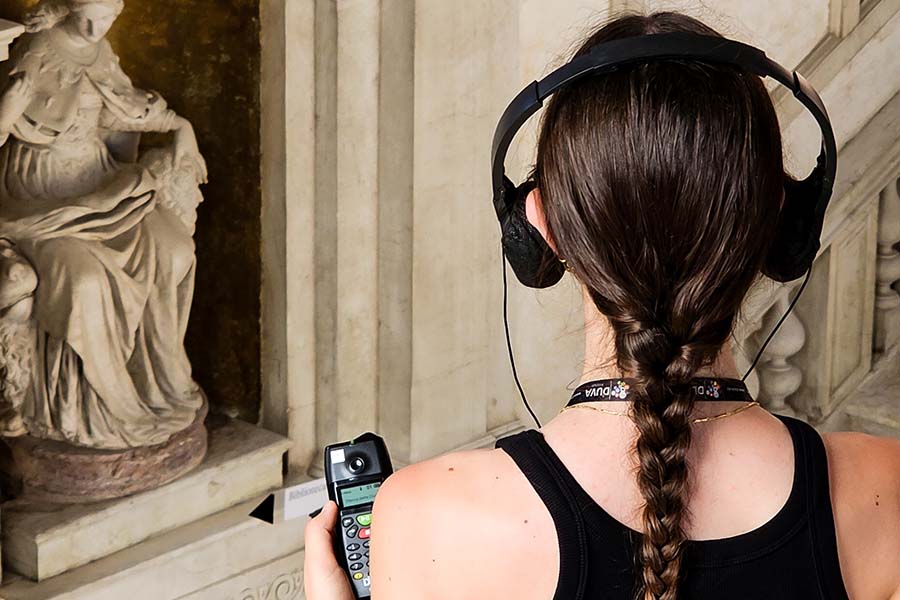
There is a subtle paradox inhabiting our time: we are the civilization of speed, of images consumed in the blink of an eye, of a gaze that glides over surfaces without ever sinking in. We are, by definition, citizens of the fast. And yet, when we cross the threshold of a cathedral or stand before the millennial layering of an artifact, we feel an ancestral need of the opposite kind: the need for a pause.

Digital Pilgrims: Technology at the Service of Wonder Read More »

The Narrator’s Legacy: Why Telling the Story of Beauty is a Political Act

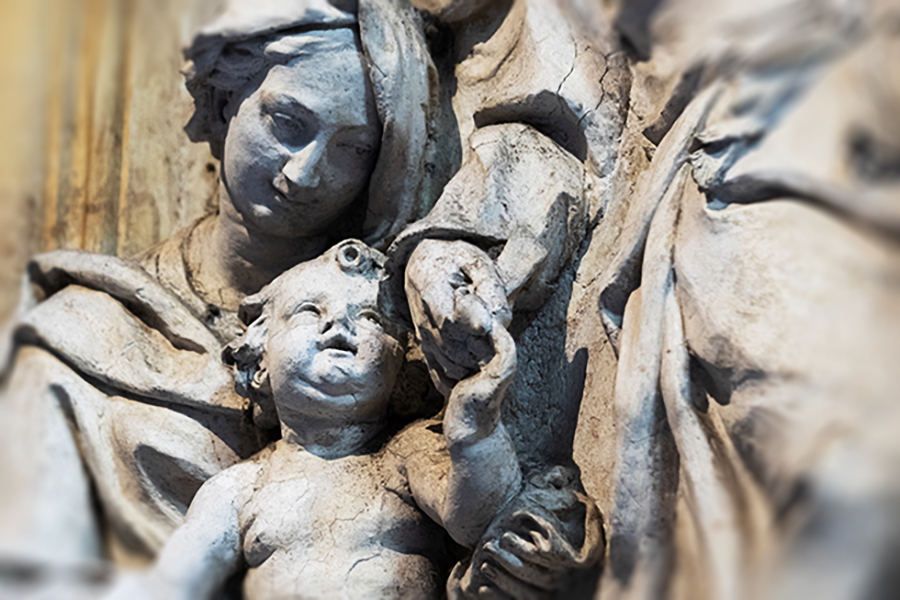
There is a precise moment, between the silence of a nave and the echo of a footstep, when beauty ceases to be an artifact and becomes a legacy. It is a fragile, almost invisible moment. It happens when a detail — a vein in the marble, a beam of light cutting through incense, the scratch of a forgotten chisel — stops being a technical data point and transforms into a question addressed to the present. In that instant, the narrator is not simply transferring information. They are making a choice. They are deciding that this fragment of the past deserves to inhabit the future.

The Narrator’s Legacy: Why Telling the Story of Beauty is a Political Act Read More »